

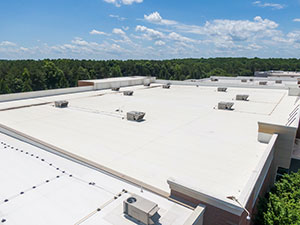
A single-ply roofing system can be a strong fit for a commercial building in Glasgow, KY, but whether it is the right system depends on the building, not on a list of general benefits. The deck and insulation beneath the membrane, how water drains, how the membrane is attached, how much equipment and foot traffic the roof carries, and how the details are built all affect which membrane will perform and how it should be maintained.
Commercial Roofing Pros provides single-ply roofing services in Glasgow, KY. This guide helps owners assess a single-ply system for their building, compare how the common membranes handle seams and repairs, and know what a contractor should confirm before one is selected. To discuss your roof, call (857) 663-7767.
How the Common Single-Ply Membranes Differ
TPO, PVC and EPDM are common single-ply membranes on commercial roofs. They look similar from the street, but they are joined and repaired differently, and that matters for the life of the roof.
| Membrane | How seams are joined | Repair compatibility | Selection notes |
|---|---|---|---|
| TPO | Heat-welded | Repairs use compatible TPO material on a clean, suitable area |
Often chosen for a reflective surface and welded seams. See our TPO roofing page for Glasgow. |
| PVC | Heat-welded | Repairs use compatible PVC material |
Often considered where grease, oils or chemicals are present. See our PVC roofing page for Glasgow. |
| EPDM | Adhesive or tape | Repairs use materials made for EPDM and careful surface preparation |
Rubber membrane, dark in color. |
The practical point is that a repair patch or sealant made for one system is not automatically suitable for another. Before choosing a membrane, ask how it will be repaired later and whether the people who service it will have compatible materials and training.
A Suitability Matrix for Your Building
Use these conditions to assess a single-ply system for your own roof rather than choosing on headline benefits alone.
| Condition | What to check | Why it affects selection |
|---|---|---|
| Substrate condition | Deck type, rot, rust, moisture and levelness | A weak or wet deck must be corrected before any membrane goes on |
| Drainage | Slope, drains, scuppers and low areas | Standing water stresses seams, and some warranties limit coverage for ponding |
| Attachment | Mechanically attached, adhered or ballasted, matched to the deck, wind exposure and building height | The method must suit the deck and design wind loads |
| Insulation | Type, thickness and moisture content | Wet or compressed insulation reduces performance and may need replacement |
| Rooftop activity | Equipment, service routes, foot traffic and dropped-tool risk | Membranes can be punctured by concentrated traffic or dropped tools, so walk pads may be needed |
| Detailing | Curbs, penetrations, edges, parapets and transitions | Details can be vulnerable to leaks, particularly on complex roofs |
| Service access | Safe roof access and room to inspect seams, drains and flashing | A roof that is hard to inspect is harder to keep watertight |
Common Issues to Plan For
Single-ply roofs share a handful of failure points. Knowing them helps you evaluate any system and plan maintenance.
Punctures and Tears
Single-ply membranes are relatively thin compared with other commercial roofing systems, so punctures and tears from foot traffic, falling debris, rooftop equipment or dropped tools are common. Protective walk pads in high-traffic areas and regular inspections help catch damage before it becomes a leak.
Seam and Weld Failures
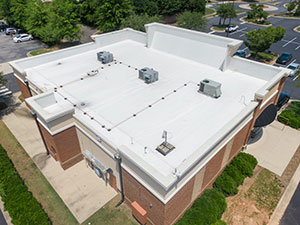
The seams hold the sheets together and keep the roof watertight. Poor installation or wear can cause seams to loosen, peel or open. Periodic seam checks and timely repairs keep water away from the insulation and deck.
Shrinkage at Edges and Flashings
Some membranes, particularly older EPDM roofs, may experience shrinkage that pulls the material away from flashing, edges or penetrations. Monitoring edges and flashing allows problems to be caught early.
Ponding Water
Flat and low-slope roofs are prone to water accumulation. Standing water can stress seams and increase leak risks. Warranty coverage for ponding depends on the manufacturer and written terms, so review those details before choosing a system. Routine drain cleaning helps, and tapered insulation can be used in some installations to improve drainage.
UV Damage and Weathering
Most single-ply membranes are designed to resist UV, but long exposure to sun, hail and temperature swings can eventually make a membrane brittle or less flexible. Inspections in spring and fall, and after severe weather, help detect wear. Roof coatings are an option on some roofs, depending on membrane type and condition.
What the Contractor Should Confirm
- The condition and moisture content of the deck and insulation before any membrane is installed.
- Whether the project is a tear-off or a recover, and why the chosen approach suits the existing assembly.
- The attachment method and how it was matched to the deck type and wind exposure.
- The membrane type and thickness, and how seams will be joined and tested.
- How drainage will be handled, including low areas and any tapered insulation.
- How curbs, penetrations, edges and transitions will be flashed.
- How the roof will be protected from foot traffic and what repair materials will be compatible later.
- What documentation and inspection schedule will follow the work.
Lifespan and Maintenance Expectations
How long a single-ply roof lasts depends on the membrane, thickness, installation quality, drainage, rooftop traffic, weather exposure and maintenance, so no fixed number of years can be promised. Regular inspections can identify problems before they spread, making timely maintenance and repairs easier to plan. A professional commercial roof inspection in Glasgow is a practical way to document the roof’s condition, and the roof maintenance program for Glasgow covers routine inspections and seasonal preparation.
Single-Ply Roofing System Experts
Commercial Roofing Pros provides single-ply roofing services in Glasgow, KY. If you are choosing a system, replacing an aging membrane or planning maintenance, call (857) 663-7767 and describe the roof type, its age and any leaks, ponding or traffic concerns.
FAQ
How long does a single-ply roofing system usually last?
It depends on the membrane, installation, drainage, traffic and maintenance. No fixed lifespan can be promised without assessing the roof.
Which single-ply membrane is most common for commercial roofs?
TPO, PVC and EPDM are the most widely used. The right one depends on the building, its use and the conditions on the roof.
Can ponding water permanently damage my roof?
Prolonged ponding can stress seams and increase leak risk, and some warranties limit coverage for it. Addressing the drainage cause early is important.
Can a single-ply membrane be repaired rather than replaced?
Often, if the surrounding membrane and insulation are sound. Repairs should use materials compatible with that specific membrane.