


A roof maintenance program in Glasgow, KY works best when it turns inspection findings into a schedule: what gets checked, by whom, how often, and what triggers a repair. Rain, summer heat, winter freeze-thaw and wind-blown debris wear on any commercial roof. A plan that records the roof’s condition and tracks follow-up gives an owner something more useful than a vague promise of “regular care.”
Commercial Roofing Pros offers a roof maintenance program for commercial buildings across Kentucky. This article explains how to build a practical preventive-maintenance schedule from a roof inspection, which tasks belong to the owner and which belong to a contractor, and how to keep the records that support warranty and repair decisions. To talk through a specific building, call 857-663-7767.
Roof Maintenance Program Advantages
Start With a Baseline Inspection
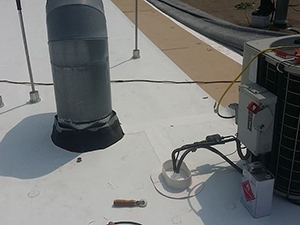
A schedule is only as good as the information behind it. A commercial roof inspection establishes the baseline: roof type and age, membrane or panel condition, flashing and seam details, drains, penetrations, past repairs and any areas of concern, ideally with dated photos. Everything after that, from how often the roof is visited to which areas get extra attention, should come from what the inspection found.
Roofs of different types and ages need different attention. A younger single-ply roof with few penetrations may need a lighter routine than an older roof with many rooftop units, repeated patches or a history of ponding water.
Seasonal and Post-Storm Task Matrix
The table below separates what an owner or facility team can safely observe from the ground or from inside the building from work that belongs to a roofing contractor. Owners should not climb onto a roof or walk it to check these items.
| When | Owner observations (ground or interior) | Contractor work | Follow-up trigger |
|---|---|---|---|
| Spring | New ceiling stains, damp spots, or water marks after winter | Full roof review for winter damage, seam and flashing checks, drain and scupper clearing, photo record | Any open seam, damaged flashing or ponding area goes on a repair list with a priority |
| Summer | Overflowing gutters or downspouts, vegetation near the roof edge, unusual interior heat | Check around rooftop equipment after service visits, inspect membrane for heat and UV wear | Damage near equipment or repeated debris buildup means a service review |
| Fall | Leaves and debris collecting near the building, any downspout backup | Debris removal, drain and flashing check before winter, minor repairs | Unresolved items before freezing weather are escalated |
| After a storm | Interior leaks, debris on the ground from the roof, visible damage seen safely from below | Inspection of the affected area, temporary protection if needed, documented findings | Any active leak or missing material is urgent and goes straight to repair |
| After rooftop work by others | Note which trades were on the roof and when | Check for punctures, disturbed flashing and damaged walkways | Damage found is recorded and repaired before the next rain |
Setting Priorities and Follow-Up Triggers
Not every finding deserves the same urgency. A simple three-level system works well in practice:
- Urgent: active leaks, missing or lifted material, or damage that lets water into the building. These call for prompt professional attention and protective action when safe.
- Scheduled: open seams, worn sealant, minor flashing problems or early ponding. Arrange corrective work based on exposure and roof conditions rather than automatically waiting for the next visit.
- Monitor: early wear, small surface defects or areas to compare at the next inspection. They are photographed and revisited.
When a repair keeps recurring in the same place, or findings multiply, that is a signal to look beyond the patch. A roof needing repeated work may be a candidate for a coating, a section replacement or a fuller assessment. The commercial roof repairs page for Glasgow explains how to tell a localized defect from damage that needs a broader look, and after a sudden leak or storm, emergency roof repair in Glasgow covers the first steps.
Comprehensive Roof Maintenance Program
Keep Records That Track Completed Actions
A maintenance program is only provable if it is documented. Keep a simple file for each roof with:
- Dated inspection reports and photos
- A running list of findings, their priority and when each was repaired
- Invoices and scope notes for every repair, coating or rooftop service visit
- Roof drawings or specifications if available
- Manufacturer and installer warranty documents, with their maintenance and notification requirements
Warranty terms differ. Some require regular inspections or prompt notice of damage, and unauthorized rooftop work can affect coverage. Read the terms for your roof and ask the contractor to follow them. Good records also help when comparing repair and replacement options later.
What a Maintenance Program Can and Cannot Do
A well-run program finds small problems earlier, keeps drains clear and creates a record of the roof’s condition. That can help reduce emergency repairs and support longer service from the roof. It cannot prevent every leak, stop normal aging or replace a repair that is already needed. Results depend on the roof system, its condition and the weather it faces.
Customized Maintenance Plans for Every Property
Matching the Program to Your Property
The right frequency and scope depend on roof age, material, rooftop equipment, building use and past problems. Warehouses, retail space and offices each have different access, traffic and equipment patterns. Ask for a written scope that lists inspection visits, drain and debris tasks, repair thresholds and reporting, so you know what the program covers.
Frequently Asked Questions
How often should a commercial roof be inspected?
Many owners schedule inspections in spring and fall and after major storms, but the right frequency depends on the roof system, its age and any warranty requirements.
Can maintenance prevent roof replacement?
It can help extend a roof’s service life and catch problems early, but it cannot stop normal aging. A roof that has reached the end of its life will still need replacement.
What should be in a maintenance report?
Dated photos, locations of findings, priority levels, repairs completed and any items to monitor or schedule.
Can I check my own roof between visits?
Observe from the ground and inside the building for stains, damp spots and drainage problems, and report them. Leave rooftop access to trained roofing professionals.