
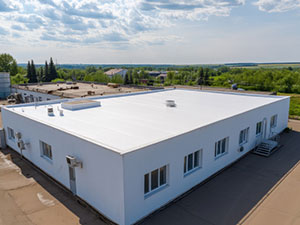
PVC roofing in Glasgow, KY can suit a commercial building well, particularly one with demanding rooftop conditions, but it should be chosen for the building and not for a list of general benefits. PVC, or polyvinyl chloride, is a single-ply membrane with hot-air-welded seams. Whether it fits depends on the substrate, drainage, insulation, rooftop activity, detailing and how the roof will be serviced.
Commercial Roofing Pros installs PVC, TPO and EPDM single-ply systems for commercial properties across Kentucky. This article helps an owner assess PVC for a specific building: what to compare, what the seams and repairs involve, which signs of trouble to watch for on an existing PVC roof, and what a contractor should confirm in writing. To discuss a roof, call 857-663-7767.
Is PVC the Right Membrane for This Building?
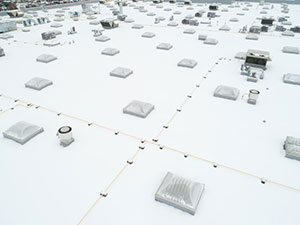
The matrix below shows the factors to review before PVC is specified and what each one means for the decision.
| Factor | What to check | What it means for PVC |
|---|---|---|
| Substrate condition | Deck type and condition, existing roof layers, moisture in the roof assembly | A damaged deck or wet insulation must be corrected first, whatever membrane is chosen |
| Drainage | Slope, drain locations, ponding history, need for tapered insulation | Standing water stresses any membrane, so drainage should be solved in the design |
| Attachment | Mechanically attached or fully adhered, and why | Deck, insulation and wind exposure affect which method meets the manufacturer’s requirements |
| Insulation | Insulation type, thickness and the cover board proposed | The membrane manufacturer specifies which insulation and separation layers are compatible |
| Rooftop activity | Exhaust that may deposit grease or chemicals, equipment traffic, other trades | PVC is often considered where grease or chemical exposure is a concern, but the manufacturer’s guidance for your exposure should be confirmed |
| Detailing | Number of curbs, vents, drains, corners and edges | Complex roofs depend on carefully welded flashings, and many leaks start at details |
| Service access | How equipment is reached, and whether walkway protection is needed | Frequent service traffic may call for walkway pads and a maintenance plan |
Seams, Repairs and Compatibility
PVC seams are joined by hot-air welding, which fuses overlapping sheets. Consistent seam welds and compatible flashings are essential to the finished system; compatible hot-air welding is also used for many PVC repairs. That makes compatibility important. Repairs generally need PVC-compatible patches and welding, not general-purpose sealants or materials from another membrane type. Older membrane may need cleaning or testing before it welds well, and contact with some materials, such as asphalt-based products or certain insulations, can affect PVC unless a separation layer is used.
Before work begins, a contractor should confirm in writing:
- Which PVC system and thickness is specified, and the manufacturer’s requirements for the substrate and insulation
- How seams and flashings will be welded and how weld quality will be checked
- What separation layers are used where PVC meets incompatible materials
- How future repairs will be done and with which materials
- Who provides the warranty for materials and for workmanship, and what the owner must do to keep it valid
Warning Signs on an Existing PVC Roof
If your building already has a PVC roof, these conditions deserve a professional look. They are triggers for inspection, not a self-service checklist, and owners should not walk the roof.
- Cracking, shrinkage or brittleness: may indicate aging, UV exposure or loss of flexibility in the membrane.
- Ponding water: water that stays for long periods points to a drainage or low-spot problem.
- Open seams or lifting edges: allow water in and may involve weld quality, wind exposure or edge details.
- Discoloration or chalking: may be dirt, chemical exposure or surface aging and needs evaluation.
- Interior stains or leaks: by the time they appear, water has often traveled some distance, so a professional should trace the source.
Localized defects may be repairable when the surrounding membrane remains sound and compatible, while widespread degradation or wet insulation can require broader work. The commercial roof repairs page for Glasgow explains how to tell a localized defect from damage needing a wider assessment, and a written roof inspection documents the roof’s condition before any decision.
Comparing PVC With Other Membranes
PVC and TPO are both welded single-ply membranes, and they are often compared. Neither is best everywhere. TPO may suit many low-slope roofs, while PVC may warrant evaluation where grease or particular chemical exposure is expected, subject to the selected manufacturer’s compatibility requirements. EPDM is another option for some buildings. See the guide to TPO roofing in Glasgow for the other side of that comparison. Price, performance and warranty terms depend on thickness, manufacturer system and installation details, so compare written scopes and not general claims.
Care After Installation
Any membrane performs better with routine care. Drains need to stay clear, rooftop work needs to be supervised, and small findings should be recorded and fixed on a schedule. A roof maintenance program supports that and builds the records that manufacturer and contractor warranties often expect.
Discuss PVC Roofing in Glasgow
Commercial Roofing Pros can discuss single-ply roof installation options for a Glasgow commercial building, including how a PVC specification would address rooftop exposure, drainage, equipment access and seam details. The written proposal should identify the membrane system, applicable substrate preparation and any exclusions before work begins. To discuss your project, contact Commercial Roofing Pros at (857) 663-7767.
Frequently Asked Questions
How long does a PVC roof last?
It depends on the system, installation, exposure and maintenance. Ask for the manufacturer’s and installer’s written terms instead of relying on a general range.
Is PVC better than TPO?
Not in every case. PVC is often considered for grease or chemical exposure, while TPO is common on simpler roofs. The building and the manufacturer’s specification should decide.
Can PVC cracks or open seams be repaired?
Often, if caught early and repaired with compatible PVC materials and welding. Widespread aging may call for a larger restoration or replacement.
Can ponding water damage a PVC roof?
Prolonged ponding adds stress to any membrane and can contribute to leaks, so drainage should be addressed in the design and checked during inspections.