

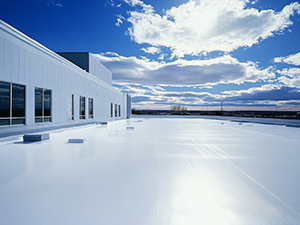
TPO roofing in Glasgow, KY can be a good fit for a flat or low-slope commercial building, but whether it suits your roof depends on the building, not on the headline benefits. TPO, or thermoplastic polyolefin, is a single-ply membrane with a reflective white surface and heat-welded seams. The questions that matter are about your deck, insulation, drainage, rooftop equipment and how the building is used.
Commercial Roofing Pros installs TPO, PVC and EPDM single-ply systems for commercial properties across Kentucky. This guide explains how to assess a TPO system for a specific building, where it tends to work well, where another membrane may be the better choice, and what to confirm before you sign off on a proposal. To discuss your roof, call (857) 663-7767.
What Makes TPO Roofing Suitable for Commercial Roofs?
TPO is a flexible sheet membrane made for low-slope commercial roofs. Panels come in rolls, and the seams between them are joined with hot air so the sheets fuse together instead of relying only on adhesive. Most commercial installations are one of two types:
- Mechanically attached: the membrane is fastened to the deck through plates or bars under the seams, which suits many buildings with a suitable deck.
- Fully adhered: the membrane is bonded to the insulation surface, which can be a better match for some wind exposure, roof shapes or rooftop traffic patterns.
Which method fits depends on the deck type, the insulation, wind exposure and the manufacturer’s specification, so it is a design decision and not a default.
Assessing Whether TPO Fits Your Building
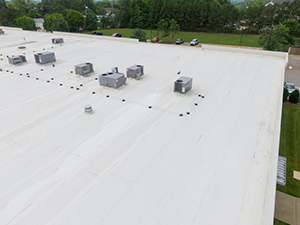
The table below lists the main factors a contractor should review before recommending TPO, and what each one tells you.
| Factor | What to check | Why it matters for TPO |
|---|---|---|
| Existing roof and deck | Deck type and condition, number of existing layers, signs of past leaks | A weak deck or wet material must be corrected before any membrane goes on |
| Insulation and moisture | Insulation type and thickness, and whether moisture testing was done | Wet insulation reduces performance and can cause new failures under a new membrane |
| Drainage | Slope, drain locations, ponding history and whether tapered insulation is needed | Standing water can shorten the service of any membrane, so drainage should be addressed in the design |
| Attachment method | Mechanically attached or fully adhered, and the reason for the choice | Wind exposure, deck and insulation affect which method meets the manufacturer’s requirements |
| Seams, flashings and penetrations | Number of curbs, vents, pipes, drains and edges, and the flashing details proposed | Poorly constructed or deteriorated details can allow water into the roof even when the open membrane field remains sound |
| Rooftop exposure and use | Foot traffic to equipment, exhaust that may deposit grease or chemicals, and heavy equipment service | These exposures can point toward walkway protection or a different membrane |
Roofing Advantages and Suitable Applications
TPO is often chosen for large, flat roofs on warehouses, retail buildings, offices and light industrial facilities where a reflective surface and a welded seam system make sense. The white surface reflects more sunlight than a dark membrane, which can reduce rooftop heat and help with cooling loads in a Kentucky summer. How much it helps depends on the insulation, the roof area and the mechanical systems, so treat it as a possible benefit, not a guaranteed saving.
The membrane is also relatively light and can be installed over properly prepared substrates in several ways, which gives a designer room to match the system to the building.
Where Another Membrane May Be Better
TPO is not the answer for every roof. Buildings that vent cooking grease, oils or strong chemicals onto the roof may call for a membrane with stronger resistance to those materials, and PVC is often considered in that situation. Roofs with unusual geometry, very heavy foot traffic or complex details may favor a different system, and some buildings are better served by a coating or metal roof installation. For a look at the PVC side, see the guide to PVC roofing problems in Glasgow. A good proposal explains why TPO was chosen over the alternatives for your building.
Questions to Settle Before Installation
- What condition is the existing roof in, and will it be removed or covered?
- Has the insulation been tested for moisture, and what happens to any wet areas?
- What membrane thickness and manufacturer system are proposed, and is the specification attached to the bid?
- How will drains, curbs, vents and edges be flashed?
- Who is the warranty provider for the membrane and for the installation, and what does the owner have to do to keep it valid?
- How will the occupied building be protected during the work?
Written answers make proposals comparable and reduce the chance of cost changes later.
Caring for a TPO Roof After Installation
A membrane does not remove the need for roof care. Debris and clogged drains lead to ponding, and foot traffic, equipment service and storms can damage a membrane or its flashings. A written commercial roof inspection records the roof’s condition, and a roof maintenance program keeps drains clear and catches small problems before they spread. Many manufacturer and contractor warranties also expect regular care, so keep dated records.
TPO Roofing Professionals in Glasgow
The right roof system comes from looking at the building first. If you are weighing TPO against other membranes for a Glasgow property, Commercial Roofing Pros can discuss the existing roof and the system choices within its commercial single-ply service. Ask for an assessment that covers the factors above and a written scope you can compare with other bids.
Frequently Asked Questions
How long does a TPO roof last?
It depends on the installation, the building, the weather and how well the roof is maintained. Ask for the manufacturer’s and installer’s written terms instead of relying on a general range.
Is TPO cheaper than PVC?
Installed TPO and PVC prices vary by project, and the real difference depends on thickness, attachment, roof details and the manufacturer system, so compare written scopes.
Does a white TPO roof lower cooling costs?
It can reduce rooftop heat, but the effect on energy bills depends on the building’s insulation, roof size and mechanical systems.
Can TPO be installed over my existing roof?
Sometimes, if the existing roof is dry, sound and allowed by the manufacturer’s requirements. An inspection and moisture assessment decide whether a recover or full replacement fits.