

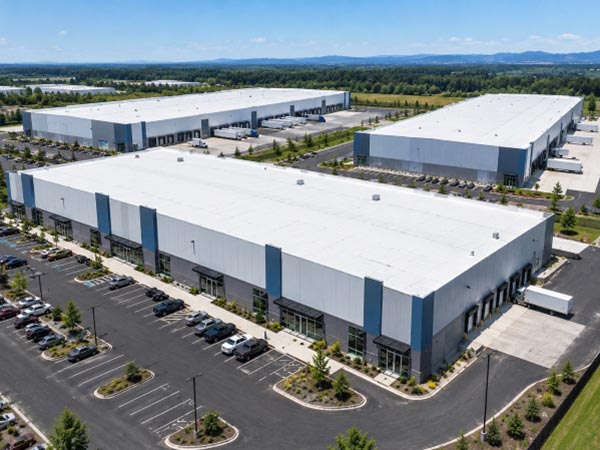
TPO roofing in Owensboro, KY is a single-ply membrane system used on flat and low-slope commercial roofs, with field seams commonly joined by hot-air welding. Commercial Roofing Pros installs TPO roofs for commercial property owners across Kentucky, including Owensboro, and suitability depends on the existing roof assembly, deck, insulation, drainage, rooftop use, attachment design, and project priorities.
This guide covers where TPO fits, how a TPO installation is scoped, what separates a good installation from a poor one, and what Owensboro building owners should expect before and after the work.
What TPO Roofing Is
TPO stands for thermoplastic polyolefin. It is a single-ply membrane installed in large sheets and commonly joined at field seams with hot-air welding. The roof assembly may be mechanically attached, adhered, or otherwise configured under the selected system. TPO is often available in light, reflective colors, which can reduce solar heat absorbed at the membrane compared with a darker surface.
It is one of several single-ply options. PVC is also a thermoplastic membrane commonly joined with hot-air welded seams and may be considered where specific grease, oil, or chemical exposures fit the selected system. EPDM is a synthetic rubber membrane with different seam and detailing methods. You can compare the options on our single-ply roofing systems page.
Where TPO Fits Best
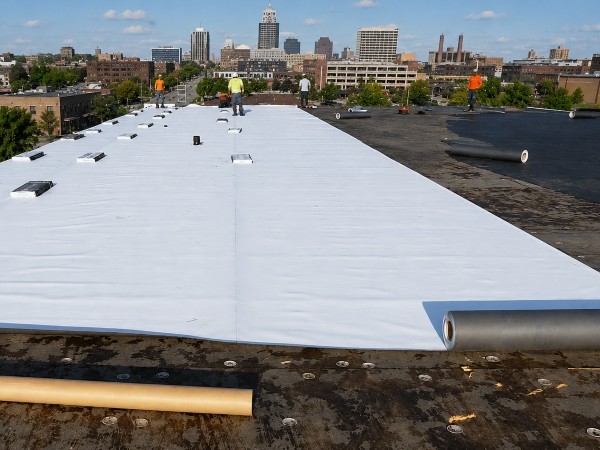
TPO is used on many commercial properties with flat and low-slope roofs. It may be a reasonable option where the roof assembly, drainage, attachment design, rooftop exposure, and owner priorities fit a thermoplastic single-ply system with welded seams.
It is less obviously the right choice in a few situations. A building with grease, oil, chemical, or heat exposure should have those conditions checked against the selected membrane’s compatibility limits. Confirmed moisture, deteriorated decking, or structural concerns can change the scope before any new membrane is installed. A roof that remains suitable for restoration may also warrant comparing restoration with replacement, which is the question our commercial roof restoration guide for Owensboro addresses.
Reflectivity and Energy Performance
A light TPO surface can reflect more solar energy than a darker roof surface and may reduce heat absorbed at the membrane. That feature can matter in a commercial roof design, but it does not guarantee a specific building-energy result. Insulation levels, HVAC efficiency, how the building is used, roof exposure and air leakage all affect the result. Treat reflectivity as one useful feature, not a promise.
How a TPO Installation Is Scoped
Two TPO proposals can look similar on paper and be very different in what they include. The table below lists scope items that materially affect how proposals should be compared and how the finished roof is designed.
| Scope item | What to confirm | Why it matters |
|---|---|---|
| Existing roof | Tear-off or recover over the existing assembly | A recover is only one option and depends on moisture condition, deck and insulation condition, existing layers, compatibility, code, and system requirements |
| Deck and insulation | Condition, moisture and any needed replacement | Confirmed wet or deteriorated materials may require removal, replacement, or a different scope before installation |
| Attachment method | Mechanically attached, adhered, or another approved configuration matched to the deck, substrate, and wind-design requirements | The attachment method must fit the selected roof system and building conditions |
| Membrane thickness | Specified thickness and product line | Membrane thickness, reinforcement, and product line should be compared on the actual specified system |
| Flashing and details | Walls, curbs, edges, drains and penetrations | Defects at walls, curbs, edges, drains, and penetrations can become water-entry paths and need system-specific detailing |
| Drainage | Slope, drains, scuppers and low areas | Low areas or recurring standing water should be evaluated separately so drainage conditions are addressed in the scope |
Seams and Workmanship
Hot-air welded seams are a key part of a TPO system, and their performance depends on compatible materials, surface preparation, equipment settings, membrane condition, overlap, and installation quality. Ask how seams and flashing details will be inspected under the selected system and how completed areas will be protected from construction traffic during the project.
Repairs and Compatibility
Localized TPO damage may be repairable when the surrounding membrane and roof assembly remain suitable for localized work. Repairs should use compatible materials and preparation methods appropriate to the installed system; products intended for a different roof system should not be assumed interchangeable. This is why it helps to know exactly what is on your roof before any repair, and why a record of the installation is worth keeping.
Planning Around Your Building and Operations
Roof replacement or reroofing can affect building access, rooftop equipment, deliveries, noise, and tenant operations. Before work starts, ask how weather protection, access, sequencing, equipment coordination, and occupied areas will be handled and how schedule changes will be communicated. Those responsibilities should be stated in the written scope.
Maintaining a TPO Roof
TPO roofs still need condition reviews and maintenance. The schedule should reflect the roof system, condition, repair history, drainage, rooftop traffic, equipment work, exposure, and any written manufacturer or warranty requirements that apply. The Commercial Roofing Pros maintenance program covers routine inspections and seasonal preparation for Kentucky businesses and documents the services performed.
TPO Roofing in Owensboro, KY
Commercial Roofing Pros works with commercial property owners across Kentucky, including Owensboro. For an overview of the area, see the Owensboro location page. When requesting a TPO evaluation, provide the building information, current roof type if known, any leak or repair history, and how the roof is used.
Frequently Asked Questions
Is TPO a good choice for commercial roofs in Owensboro?
It can be, depending on the building. The existing roof assembly, deck, insulation, drainage, rooftop equipment, exposure, attachment design, and project priorities all affect whether TPO is appropriate.
Can TPO be installed over my existing roof?
Sometimes. The decision depends on moisture, deck and insulation condition, existing layers, compatibility, attachment requirements, code, and the selected roofing system.
How is a TPO roof repaired?
A repair uses materials and preparation methods compatible with the installed TPO system. The surrounding membrane and roof assembly should also be evaluated to confirm that localized repair is appropriate.
Does a white roof lower my energy bills?
A light reflective surface can reduce solar heat absorbed at the membrane, but building-energy results depend on insulation, HVAC, roof assembly, building use, and other factors.