

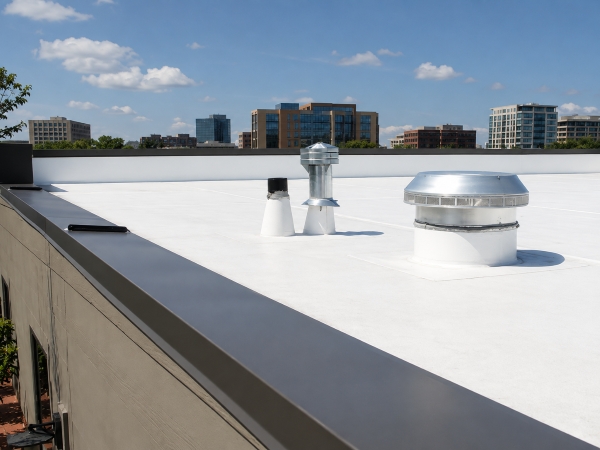
TPO roofing is often described as a low-maintenance commercial roof system, but low maintenance does not mean no maintenance. For a Danville, KY building owner, routine care should focus on seams, flashing, drainage, rooftop traffic, surface condition, and storm-related damage so small defects can be addressed before they expand.
Commercial Roofing Pros installs and maintains TPO and other single-ply roofing systems across Kentucky. Building owners can call (857) 663-7767 to discuss the inspection and maintenance needs of a specific roof.
Start With the Roof’s Actual Condition
A maintenance plan should begin with the roof system, age, repair history, drainage layout, rooftop equipment, and any known leak concerns. TPO roofs can perform well for many years, but the right inspection schedule depends on the building rather than one fixed calendar rule.
Commercial Roofing Pros’ TPO Roofing Bowling Green article provides broader context on TPO construction, heat-welded seams, and the importance of routine inspection and drainage care.
Inspect Seams, Flashing, and Penetrations
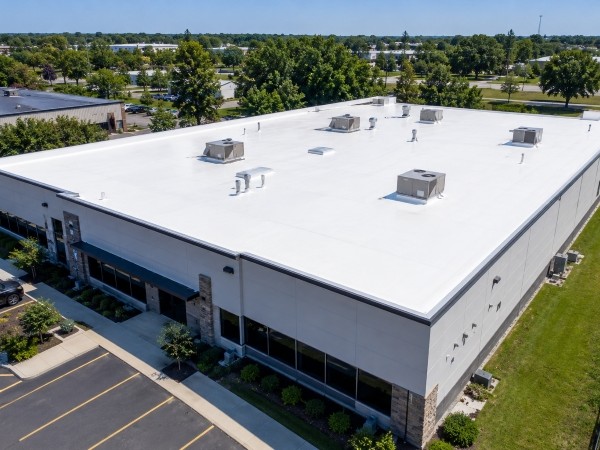
TPO seams are heat welded, but welded does not mean maintenance-free. Seams, flashing, penetrations, roof edges, curbs, drains, and previous repair areas should be checked for separation, punctures, loose details, sealant deterioration, or other visible changes.
The goal is to identify a developing defect while it is still localized. A lifting seam or damaged flashing can often be addressed more easily before water reaches insulation or interior spaces.
Keep Drainage Components Clear and Functional
Drains, scuppers, gutters, and downspouts should be checked for debris and damage because drainage problems can contribute to standing water and overflow. Ponding should be evaluated by cause rather than judged by one universal number of hours.
Blocked outlets, low areas, settlement, roof geometry, or damaged insulation can all affect drainage. If water repeatedly remains in the same area, the contractor should determine whether cleaning is enough or whether a separate drainage correction is needed.
Manage Rooftop Traffic and Puncture Risk
Repeated foot traffic around HVAC units, service routes, and access points can concentrate wear on a membrane. Dropped tools, sharp debris, equipment movement, and other rooftop activity can also create punctures or surface damage.
Walkway protection may be useful where regular traffic is expected, but it should be planned around the actual roof and equipment layout. Any puncture or cut should be repaired with a method compatible with the TPO system rather than left until the next routine visit.
Cleaning Can Support Inspection and Reflectivity
Cleaning can remove dirt, biological residue, and debris that make the membrane harder to inspect. A clean light-colored surface can also better retain the reflective characteristics for which many TPO systems are selected.
Cleaning does not guarantee lower energy bills, and the method should follow the membrane manufacturer’s care requirements. Harsh chemicals, abrasive tools, or unapproved cleaning practices can create new problems instead of helping the roof.
Inspect After Significant Weather Events
High winds, hail, heavy rain, wind-driven debris, and other severe weather can damage membranes, flashing, rooftop equipment, and drainage components. A post-storm review may be appropriate when the building experiences conditions that could reasonably have affected the roof.
That does not mean every storm requires a full formal inspection. The need for follow-up should reflect the severity of the event, known roof vulnerabilities, observed damage, and the building’s maintenance plan.
Use Maintenance Records to Track Changes Over Time
A useful maintenance record should include inspection dates, photos when helpful, observed defects, completed repairs, drainage concerns, rooftop activity, and unresolved follow-up items. This makes it easier to distinguish a recurring problem from a new one.
Commercial Roofing Pros’ Maintenance Program page describes its broader approach to planned roof care and documentation for Kentucky commercial properties.
Know When Maintenance Becomes Repair
Routine maintenance includes inspection, debris removal, minor upkeep, and condition tracking. Repair work begins when the roof has a defect that needs corrective action, such as a puncture, open seam, damaged flashing, or deteriorated component.
The maintenance report should separate those two categories clearly so the owner understands what was completed during the visit and what additional work is recommended.
How Maintenance Connects to Service Life
There is no universal service-life number that routine maintenance guarantees. TPO performance depends on membrane specification, installation quality, attachment, flashing, drainage, rooftop traffic, weather exposure, repairs, and the complete roof assembly.
Maintenance helps by identifying manageable defects earlier, documenting changes, and keeping drainage and vulnerable details under review. It supports better roof performance, but it should not be presented as a promise that a roof will reach a particular age.
Use the Complete Single-Ply System as Context
TPO is one of several single-ply options used on commercial roofs. Commercial Roofing Pros’ Single-Ply Systems page describes TPO alongside PVC and EPDM and explains the broader maintenance focus on seams, membrane condition, and drainage.
For a Danville property, the maintenance plan should still be written around the actual TPO assembly rather than borrowed from another membrane type.
TPO Roofing Maintenance in Danville, KY
A practical TPO maintenance plan should keep seams, flashing, drainage, traffic areas, penetrations, and storm-related changes under regular review. The inspection cadence should be adjusted when roof condition, weather exposure, warranty terms, or building use changes.
Call Commercial Roofing Pros at (857) 663-7767 to discuss TPO roof maintenance or inspection needs for your Danville commercial building.
Frequently Asked Questions
How often should a TPO roof be inspected?
There is no universal schedule. Roof age, condition, drainage history, rooftop traffic, warranty terms, prior repairs, and severe weather should guide inspection frequency.
Does cleaning a TPO roof matter?
Cleaning can improve visibility during inspections and help maintain the surface’s reflective characteristics, but the method should follow the membrane manufacturer’s care requirements.
Can foot traffic damage a TPO roof?
Yes. Repeated traffic, dropped tools, and equipment movement can create wear or punctures, especially along common service routes.
Does regular maintenance guarantee a longer TPO roof life?
No fixed lifespan is guaranteed. Maintenance helps identify defects earlier and track roof condition, while overall service life still depends on the complete roof system and its exposure.