
Roof restoration and roof replacement can both address an aging commercial roof, but they are not interchangeable. For a Lebanon, KY building owner, the right choice depends on whether the existing roof is still a suitable base for restoration or whether moisture, deck damage, repeated failures, or widespread deterioration make replacement the more appropriate scope.
Commercial Roofing Pros provides roof restoration, repair, coating, and replacement services in Kentucky. Building owners can call (857) 663-7767 to discuss the roof conditions that should be evaluated before choosing a restoration or replacement path.
Restoration Starts With a Roof That Can Stay in Place
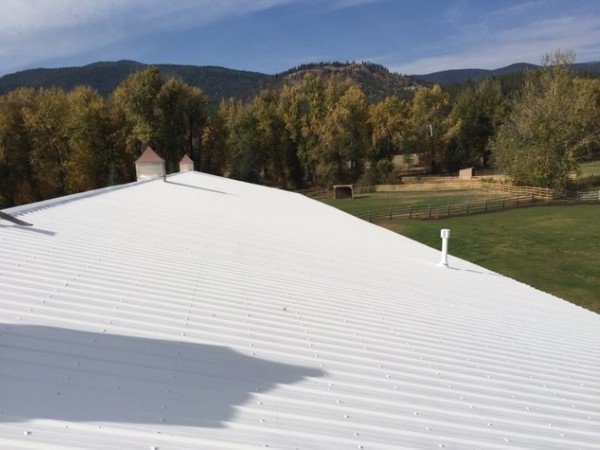
Roof restoration is generally a multi-step process that keeps a serviceable existing roof in place, completes required repairs, prepares the surface, reinforces vulnerable details where needed, and applies a compatible restoration or coating system.
The key question is not whether the roof looks old. It is whether the deck, insulation, membrane or surface, flashing, drainage, and other components are suitable to remain in service after repairs are completed.
When Restoration May Make Sense
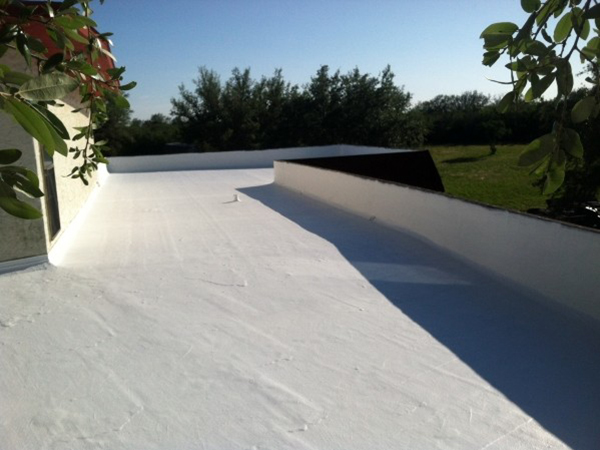
Restoration may be appropriate when deterioration is limited enough to repair, the roof substrate remains stable, moisture conditions are manageable, and the existing system can support the proposed restoration materials.
A roof with isolated seam problems, localized surface wear, repairable flashing defects, or other limited damage may be a candidate if the surrounding assembly remains serviceable. Commercial Roofing Pros’ Flat Roof Restoration Campbellsville article provides related context on using restoration when the existing roof remains suitable to keep in place.
Moisture Conditions Can Change the Decision
Surface appearance does not always show what is happening inside the roof assembly. If wet insulation or concealed moisture is suspected, the contractor should explain what investigation is needed before a restoration scope is approved.
Localized wet materials may sometimes be removed and replaced as part of a broader restoration project. Widespread saturation, unstable materials, or deck deterioration can change the project substantially and may make replacement more practical.
When Replacement Deserves Stronger Consideration
Replacement deserves stronger consideration when damage is widespread, the deck or substrate is deteriorated, insulation problems extend through large areas, or repeated repairs are no longer producing a reliable result.
Roof age can provide context, but age alone should not decide the project. An older roof with serviceable components may still be evaluated for restoration, while a newer roof with extensive moisture or structural damage may require replacement sooner.
Repair History Matters, but It Is Not a Simple Cutoff
Multiple past repairs can help show whether the roof has recurring trouble areas, but a long repair history does not automatically mean another restoration will fail. The contractor should look at where repairs were made, whether the same defects keep returning, and how much of the roof is now affected.
The useful question is whether the next restoration would address a stable roof system or simply cover conditions that are continuing to deteriorate.
Compare Disruption Based on the Actual Project
Restoration often involves less removal than full replacement, but that does not guarantee normal operations will continue without disruption. Access, odors, equipment, staging, noise, interior sensitivity, weather protection, and the building’s use can all affect how the work is scheduled.
Replacement usually involves more removal and material handling, but the contractor should explain the actual phasing and operational impact of both options instead of relying on a blanket disruption claim.
Compare Cost Only After the Scope Is Defined
Restoration can involve less tear-off and disposal when the existing roof is suitable to remain, but it should not be assumed to cost less in every case. Wet insulation removal, deck repairs, drainage corrections, preparation, access, reinforcement, and coating requirements can all change the restoration price.
Replacement may have a larger initial scope but can be the more appropriate investment when too much of the existing assembly must be removed or repaired before restoration. A fair comparison uses project-specific scopes for both options.
What a Restoration Assessment Should Document
A useful assessment should document the existing roof system, deck or substrate condition, insulation concerns, visible membrane or surface wear, flashing, penetrations, drainage, prior repairs, and areas that may need further investigation.
Commercial Roofing Pros’ Commercial Roofing Services Bowling Green article provides broader context on inspections, repairs, replacement, and maintenance as parts of a complete commercial roofing plan.
What the Written Proposal Should Include
A restoration proposal should identify preparation, repairs, reinforcement, coating or restoration materials, application requirements, flashing work, drainage work, access, cleanup, exclusions, and how concealed damage will be handled.
A replacement proposal should identify tear-off or removal, deck repairs or allowances, insulation, the new roof system, flashing, edges, drainage, penetrations, access, cleanup, and exclusions. Comparing both scopes line by line is more useful than comparing headline prices.
Roof Restoration or Replacement in Lebanon, KY
For a Lebanon commercial building, restoration makes sense when the existing roof remains a sound enough base to repair and protect. Replacement makes more sense when underlying deterioration is too widespread or too uncertain for a restoration scope to be dependable.
Call Commercial Roofing Pros at (857) 663-7767 to discuss a roof assessment and compare restoration with replacement for your building.
Frequently Asked Questions
How do I know if my roof is a good restoration candidate?
Look at deck or substrate condition, moisture, repair history, drainage, flashing, and how widespread the deterioration is. A professional assessment should document those conditions before restoration is recommended.
Is restoration always cheaper than replacement?
No. Restoration can involve less removal when the existing roof is suitable, but repairs, moisture removal, preparation, drainage work, and access can change the comparison.
Can a commercial roof be restored more than once?
Sometimes, but each decision should follow the roof’s current condition. Prior restoration does not automatically qualify or disqualify the roof for another restoration cycle.
Does restoration always cause less business disruption?
Not always. Restoration often requires less removal, but access, staging, odors, noise, equipment, weather protection, and building use can still affect operations.