
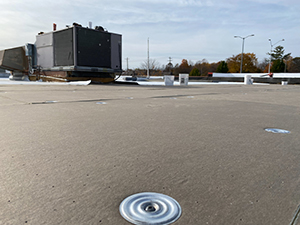
Central Kentucky’s seasonal changes create different maintenance priorities for commercial roofs. Winter freezing and thawing stresses vulnerable details, summer heat ages exposed surfaces, and storms test drainage and flashing. Roof maintenance planned around those conditions helps identify problems while they remain manageable.
For roof maintenance in Lebanon, KY, call Commercial Roofing Pros at (857) 663-7767.
Seasonal Roof Maintenance Priorities
A maintenance schedule should reflect the roof system, its condition, and Kentucky’s seasonal weather. Spring inspections can identify damage associated with winter freezing and thawing. Summer attention may focus on surface weathering, reflective coatings, and areas around rooftop equipment.
Fall visits help prepare drainage and flashing for colder weather, while winter storms may create a need for additional evaluation. The schedule should also account for manufacturer requirements and any history of leaks or drainage concerns.
Spring Maintenance After Freeze-Thaw
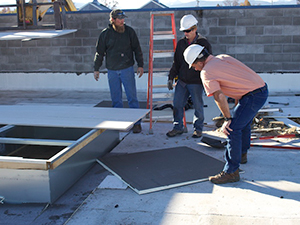
Winter temperature changes can affect seams and flashing around penetrations. Details that were secure in fall may show small openings by spring. Drains may also contain leaves or debris that accumulated during the previous season.
A spring visit can include inspection of the roof surface, seams, flashing, and drainage points, followed by appropriate repairs. When hidden moisture is suspected, thermal imaging may help identify temperature patterns that warrant further investigation. A scan must be performed under suitable conditions, and suspected moisture should be confirmed through additional testing.
Summer and Fall Maintenance Priorities
Summer maintenance focuses on surface condition. UV exposure and heat can age membranes and protective coatings, so worn areas deserve evaluation. Inspectors can also check around rooftop equipment for signs of leaks, condensate discharge, or damage from service traffic.
Fall maintenance prepares the roof for colder weather. Drains and gutters need to remain clear of leaves and debris, while flashing and previous repairs should be checked for developing openings. Addressing identified problems before winter can provide more suitable conditions for permanent repairs.
Winter Inspections and Moisture Testing
Winter evaluations may be needed after significant storms, ice events, or heavy snow. Safe access and site conditions determine when a roof can be inspected. Thermal moisture surveys also require appropriate weather, surface, and temperature conditions; cold weather alone does not make a scan reliable.
Combining scheduled inspections with additional evaluations after damaging weather helps owners respond to seasonal conditions. Records from each visit provide a basis for tracking changes and deciding when further investigation or repairs are needed.
Roof Maintenance in Lebanon
Consistent maintenance helps Lebanon owners identify developing problems and protect serviceable roofing materials. A schedule based on roof condition, seasonal exposure, and warranty requirements supports more reliable planning than waiting for interior leaks.
For roof maintenance in Lebanon, KY, contact Commercial Roofing Pros at (857) 663-7767 today.
FAQ
How often should a commercial roof be inspected as part of a maintenance program?
The schedule depends on roof condition, exposure, and manufacturer requirements. Many programs include spring and fall inspections, with additional visits after significant storms or when the roof’s condition calls for closer monitoring.
What does commercial roof maintenance involve each season?
Spring focuses on winter damage and drainage. Summer attention may include surface wear and equipment areas. Fall prepares the roof for cold weather, while winter evaluations respond to storm damage when access and conditions permit.
What problems does regular roof maintenance prevent?
Regular maintenance helps identify seam openings, deteriorated flashing, and clogged drains before damage spreads. When moisture is suspected beneath the membrane, further testing can help determine whether insulation or other materials need repair.