

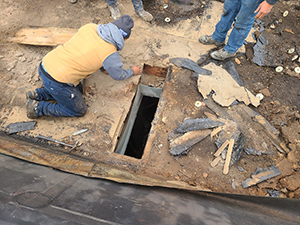
Emergency roof repair in Elizabethtown, KY starts with one question: is the problem a localized defect that can be fixed in place, or does it point to wider damage that needs a broader roof assessment? Storms, impacts and failing details can all cause a sudden leak, and the first priority is stopping water. The next decision is whether a repair is the end of the job or the first step. If a ceiling is sagging, an electrical fixture is wet or storm damage has left a dangerous area, restrict access until it can be assessed safely.
Commercial Roofing Pros provides emergency and planned roof repair for commercial buildings across Kentucky. This article explains how inspection evidence at seams, penetrations, flashing and moisture extent separates a repairable defect from damage needing more investigation, what a repair quote should include, and how a roof is safely accessed. For an urgent leak, call (857) 663-7767.
Start With Safety and Containment
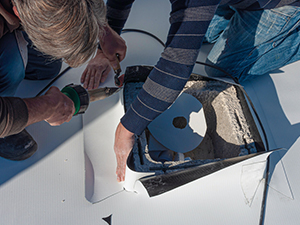
During an active leak, protect people, inventory and equipment inside the building first. Move items away from drips, use safe interior containment where appropriate, and keep people away from wet electrical equipment or fixtures. Have qualified personnel evaluate electrical hazards before anyone approaches affected equipment. Do not go onto the roof yourself. Wet membranes and metal are slippery, edges and openings are hazards, and storm damage can hide weak spots. Roof access is a job for trained roofing crews with fall protection.
Where conditions allow safe work, a contractor may install a temporary cover or compatible patch to reduce water entering while the cause is investigated. Temporary measures buy time. They are not a diagnosis, and they should be documented so the permanent repair can be planned.
Reading the Evidence: Symptoms and What Inspection Looks For
A stain or drip shows where water appeared inside, not always where it entered the roof. Water can travel along decking, insulation and structural members before it shows. For that reason, a stain alone should not be used to diagnose hidden damage. The table below pairs common symptoms with the evidence an inspection should collect.
| Symptom | Inspection evidence to collect | Often localized when | Broader assessment needed when |
|---|---|---|---|
| Leak after rain at a roof edge or wall | Flashing and counterflashing condition, sealant, fasteners, termination bar | One detail has failed and surrounding roof is dry and sound | Flashing failures repeat along the perimeter, or wall tie-in is deteriorated |
| Drips near rooftop units, pipes or vents | Penetration flashing, curbs, boots and sealant around each opening | One penetration detail is damaged or sealant has failed | Many penetrations are failing or equipment movement has damaged the membrane |
| Water along a line or seam | Seam condition, welds or laps, signs of separation or lifting | A short stretch of seam has opened and adjacent seams are sound | Seams are failing across large areas, which suggests age or installation concerns |
| Puncture or tear after debris or hail | Size and number of impacts, membrane and insulation condition below | Damage is limited and insulation beneath is dry | Hail or impacts are widespread, or water has entered the insulation |
| Ponding or slow drainage | Drain condition, slope, low areas, membrane wear under standing water | Clearing a blockage restores drainage and inspection finds no associated roof damage | Low spots, deflection or recurring ponding point to a design or structural issue |
| Stained ceiling tiles or damp insulation | Moisture extent measured by survey or testing, not by the stain alone | Moisture is confined to a small area around a known defect | Moisture covers a large or unclear area, or the source cannot be traced |
Where Localized Repair Stops
A localized repair works when the defect is defined, the surrounding roof is sound and any affected insulation or decking can be addressed within a limited scope. It does not solve wet insulation spread over a large area, a deteriorated deck, a membrane at the end of its life, or chronic drainage problems. Repairing around those conditions can hide them for a time. When evidence points to any of them, the next step is a wider look, such as a documented commercial roof inspection in Elizabethtown that checks for hidden moisture, and a decision between further repair, restoration and replacement.
What a Repair Quote Should Include
- The defects found, their locations and photos, tied to the leak or damage being fixed
- The repair method and the materials, with confirmation they are compatible with the existing roof system
- The extent of any moisture survey or insulation replacement, or the reason none is included
- Access planning, including how the crew reaches the roof, safety measures and protection of the occupied building
- Temporary protection if the permanent repair must wait for weather or materials
- What is excluded and what would change the price, such as wet insulation found once work begins
- Warranty or workmanship terms in writing, and any effect on an existing manufacturer warranty
Access Planning and Timing
Emergency work happens in bad conditions, so planning matters. Crews need a safe access route, protection for rooftop equipment and intakes, and a way to keep the building’s occupants and traffic away from work areas. Some repairs cannot be completed in rain or cold, which is why temporary protection followed by scheduled permanent repair is common. Ask the contractor what can be done immediately, what must wait and what the roof will look like in the meantime.
Before a crew leaves, confirm whether the work is temporary or permanent and which defects were actually corrected. If a full repair is deferred, the written plan should identify the protected area, what still needs investigation and what conditions would require another visit. This distinction helps an owner avoid assuming a stopped interior drip proves the entire roof is dry or fully repaired.
After the Emergency Repair
A repair is also a chance to learn about the whole roof. Keep the photos, invoice and findings with your roof records. Related repair topics are covered in the guide to flat roof repair in Elizabethtown, and a roof maintenance program keeps drains clear and catches small problems before they become emergencies. Aging roofs with repeated repairs may be candidates for metal roof restoration when the roof is metal and structurally sound.
Frequently Asked Questions
Can a roof leak be fixed with a quick patch?
Often, if the defect is limited and the surrounding roof materials are suitable for repair. A patch is temporary if the underlying cause, such as wet insulation or drainage, has not been addressed.
Does a ceiling stain show where the leak is?
Not reliably. Water can travel before it appears, so the roof source should be confirmed by inspection and, where needed, moisture survey.
Should I check the roof myself after a storm?
No. Observe from the ground and inside the building, document what you see and leave roof access to trained crews with fall protection.
When does a repair turn into a larger project?
When inspection finds wet insulation over a large area, deck deterioration, widespread seam or flashing failure, or repeated repairs in the same places.