

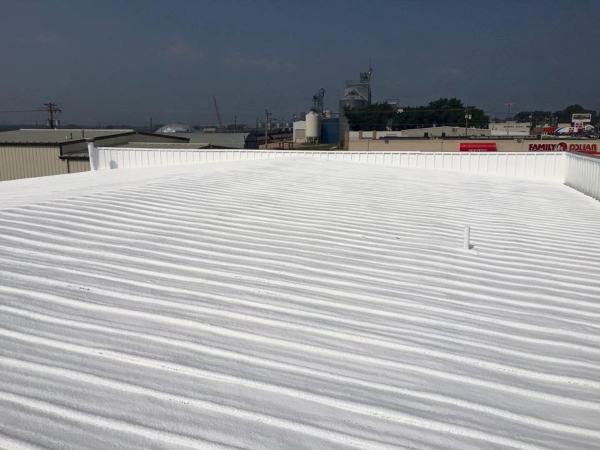
Spray foam roofing can be installed over many existing commercial roofs, but not on any roof and not on any day. Before foam goes down, the roof underneath has to be dry, clean, and sound, and the weather has to cooperate. Knowing those requirements ahead of time helps a Richmond building owner judge whether foam is a realistic option and what a good installation plan should include.
Commercial Roofing Pros installs spray foam roofing for commercial buildings in Richmond, Kentucky, with more than 18 years of roofing experience. To discuss your roof, call (270) 849-6975.
What Spray Foam Roofing Involves
Spray foam roofing is applied as a liquid that expands and cures into a continuous layer over the existing roof. A protective coating then goes over the foam. Because the foam goes directly onto the existing roof, the condition of that roof decides whether the installation will hold up. If you are still deciding between foam and other systems, this comparison of spray foam and traditional roofing systems covers how they differ.
What Has to Be True Before Foam Is Installed
The conditions below are the usual checkpoints. They reflect general roofing practice, and the specific limits for any product come from its manufacturer.
| Condition | Why It Matters | How It Is Checked | If It Is Not Met |
|---|---|---|---|
| Dry substrate | Foam applied over a wet roof traps moisture beneath it | Moisture readings, thermal scanning, and a closer check of flagged areas | Wet areas are repaired or removed first, or foam is not recommended |
| Clean, sound surface | Foam has to bond to the existing roof, and dirt, oil, or loose material weaken that bond | Visual inspection and surface cleaning | The surface is cleaned or repaired until it can accept foam |
| Weather and surface temperature | Foam cures properly only within certain temperature and moisture limits, and dew or rain on the surface causes problems | Forecast review and surface checks on the day of application | Application is delayed until conditions allow |
| Wind and overspray control | Foam is sprayed as a liquid, so wind can carry material beyond the work area | Wind monitoring and masking of nearby surfaces, vehicles, and building openings | Work pauses in high wind, and protection is added where needed |
| Drainage | Foam does not fix standing water caused by a slope or drain defect | Review of slope, drains, and areas where water stands | Drainage problems are addressed in the scope, sometimes with added foam thickness to improve slope |
| Penetrations and edges | Vents, curbs, and edges are common leak points and need clean, detailed treatment | Inspection of each penetration and flashing area | Details are repaired or rebuilt before foam is applied |
| Protective coating | Sunlight degrades bare foam, so it is normally covered with a protective coating | Coating system specified in the written scope | Foam is not left uncoated as a finished roof |
Why the Existing Roof Is Inspected First
Commercial Roofing Pros uses thermal scans during inspections to help determine roof condition. A scan can point to areas where moisture may be trapped under the surface. Temperature differences can also come from shading, dirt, or material changes, so flagged areas should be confirmed with a moisture reading or a closer check before anyone decides the roof is wet or dry. That confirmation matters more for foam than for many other systems, because foam leaves little room to fix a hidden moisture problem after it has been installed.
What Rules Spray Foam Out
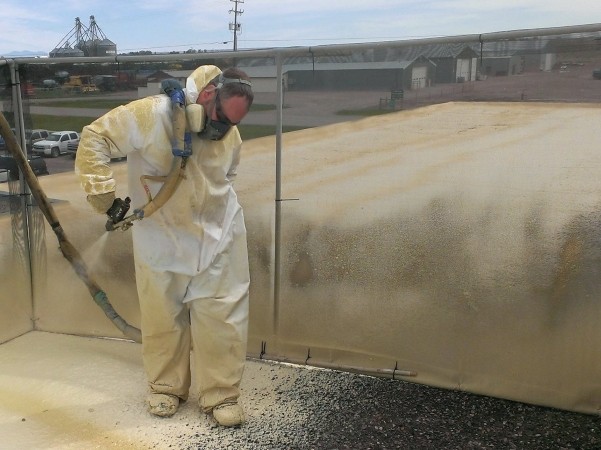
Foam is not the right answer for every roof. Insulation that has absorbed water, decking that has deteriorated, or a roof that cannot be made clean and dry enough to accept foam all point toward repair or a different system. A building where overspray cannot be controlled, or where the work cannot be scheduled around weather and building operations, may also need a different approach. A good assessment includes saying so.
Timing and Weather in Kentucky
Kentucky’s humid summers, cold winters, and frequent storms can all narrow the days when foam can be applied. Cold, damp, or windy days are common reasons for delays, and a good schedule allows for some. The most useful question for a contractor is not just when work can start, but what conditions will cause it to pause and how that will be handled.
What a Written Scope Should Cover
A clear scope for a foam installation should describe the repairs and moisture checks done first, how the surface will be prepared, the protective coating system, how penetrations and edges will be detailed, and how the building will be protected during spraying. It should also describe a follow-up inspection after the roof is complete. Any statements about warranty coverage, insulation value, or expected service life should be tied to the specific system and confirmed in writing. After installation, a roof maintenance program helps keep the coating and drainage in good condition.
Spray Foam Roofing in Richmond, KY
If you are considering spray foam for a commercial roof in Richmond, start with what is on the building now and how dry and sound it is. Commercial Roofing Pros can inspect the roof, explain what the findings mean, and tell you plainly whether foam fits. Call (270) 849-6975 to schedule an inspection.
FAQ
Can spray foam be installed over an existing roof?
Often, yes, when the existing roof is dry, clean, and sound. Wet insulation, deteriorated decking, or a surface that will not bond with foam usually need to be addressed first.
Why does weather affect spray foam installation?
Foam cures properly only within certain temperature and moisture limits, and wind can carry the material beyond the work area. Cold, damp, or windy conditions commonly delay application.
Does spray foam need a protective coating?
Yes. Sunlight degrades bare foam, so it is normally covered with a protective coating that is specified as part of the project.
How do I know if my roof is dry enough for foam?
Moisture is often invisible from the surface. Thermal scans can flag suspect areas, and moisture readings or a closer check confirm whether the roof is actually dry.