
Single-ply roofers help commercial property owners evaluate roofing systems designed for long-term performance, durability, and weather resistance. With several single-ply roofing options available for low-slope buildings, understanding the differences between systems can help property owners select a solution that aligns with their facility’s needs and long-term goals.
Commercial Roofing Pros provides single-ply roofers for commercial properties in Campbellsville, KY. Call (857) 663-7767 to discuss roofing options and learn more about systems designed for reliable protection and performance.
Working with experienced single-ply roofers helps property owners make informed roofing decisions that support roof longevity, building protection, and long-term value.
Understanding Single-Ply Roofing Systems
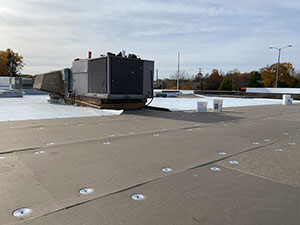
Single-ply roofing refers to roofing membranes installed in a single layer over a commercial roof structure. These systems are commonly used on warehouses, office buildings, retail centers, schools, and industrial facilities because they offer weather resistance, flexibility, and relatively straightforward installation.
The three primary single-ply membrane categories are TPO, PVC, and EPDM. While each serves the same general purpose, they perform differently depending on environmental conditions and building requirements.
Property owners often encounter these options during roof replacement projects and may struggle to determine which solution best matches their facility. Understanding the strengths and limitations of each membrane helps simplify the decision-making process.
Comparing TPO, PVC, and EPDM Roofing
TPO membranes are widely selected for commercial buildings because they provide durability and reflective properties that can help reduce heat absorption. Buildings exposed to significant sunlight may benefit from the membrane’s ability to reflect solar energy. TPO is commonly installed on retail facilities, office buildings, and warehouses with low-slope roof designs.
PVC roofing membranes are often chosen for facilities that face exposure to chemicals, grease, or industrial pollutants. Restaurants, manufacturing plants, and food-processing facilities frequently consider PVC because of its resistance to certain contaminants that can affect roofing performance over time.
EPDM is a synthetic rubber membrane known for its flexibility and long service life. It performs well in environments where temperature fluctuations occur throughout the year. EPDM is commonly used on large commercial buildings where durability and weather resistance are primary concerns.
Each membrane offers distinct advantages, which is why selecting a roofing system requires evaluating the building’s specific operating environment rather than assuming one option works best for every property.
Choosing the Right Single-Ply Roof for Your Building
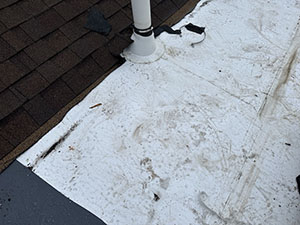
Building use often plays a significant role in membrane selection. Facilities with rooftop equipment, exhaust systems, or industrial processes may have different roofing needs than office buildings or retail centers.
Roof slope considerations are also important. While single-ply membranes are commonly installed on low-slope commercial roofs, drainage patterns, rooftop traffic, and equipment placement can influence which membrane is most appropriate.
Climate and environmental exposure should also be evaluated. Campbellsville experiences seasonal weather changes that include rain, humidity, summer heat, and winter temperature shifts. Roofing systems must withstand these conditions while maintaining waterproof protection throughout the year.
Property owners benefit from discussing operational needs, maintenance expectations, and long-term building plans before selecting a membrane. A roofing system that aligns with both current and future requirements often delivers the greatest value.
Questions to Ask Single-Ply Roofers
Selecting the right roofing contractor is just as important as choosing the right membrane. Building owners should ask contractors about their experience with various single-ply systems and how they evaluate roofing recommendations.
Assessment procedures provide valuable insight into the contractor’s approach. A thorough roof evaluation should consider drainage, structural conditions, insulation performance, and the building’s operating environment before recommending a solution.
Long-term maintenance planning is another topic worth discussing. Understanding inspection schedules, maintenance expectations, and potential repair considerations can help property owners protect their investment after installation.
Contractors should also be able to explain why a particular membrane is recommended for the building’s specific conditions. Clear explanations help owners make informed decisions and understand the reasoning behind the recommendation.
Making an Informed Roofing Decision
Single-ply roofers help commercial property owners evaluate roofing systems based on factors such as building use, roof design, maintenance expectations, and weather exposure. Because each single-ply membrane offers different performance characteristics, selecting the right system is an important part of supporting long-term roof reliability and building protection.
Commercial Roofing Pros provides single-ply roofing services for commercial properties in Campbellsville, KY. Call (857) 663-7767 to discuss roofing options and explore solutions designed for long-term performance.
Working with experienced single-ply roofers helps property owners understand their options, choose the most appropriate roofing system, and support long-term building performance and durability.
FAQ
What is the difference between TPO, PVC, and EPDM single-ply roofing?
TPO is often selected for reflective performance, PVC is frequently used where chemical resistance is beneficial, and EPDM is known for flexibility and durability. Each membrane offers advantages depending on the building’s environment and operational needs.
How do I know which single-ply membrane is right for my commercial building?
The best choice depends on factors such as building use, roof design, drainage patterns, rooftop equipment, and environmental exposure. A professional roof evaluation can help determine the most appropriate option.
What should I look for when hiring a single-ply roofing contractor?
Look for experience with multiple membrane types, a detailed inspection process, clear explanations of recommendations, and a focus on long-term roof performance rather than a one-size-fits-all solution.