

Roof maintenance in Frankfort, KY should be built around the condition of the commercial roof, the roof system, drainage, repair history, rooftop traffic, weather exposure, and any written maintenance requirements that apply. A useful plan identifies what will be checked, what routine care is included, what findings move into a repair scope, and how the roof’s condition will be documented over time.
Commercial Roofing Pros provides commercial roof maintenance across Kentucky through its roof maintenance program. For a Frankfort building owner, the goal is not to follow one universal calendar. It is to create a repeatable maintenance process that matches the actual roof and gives the owner a clear record of changing conditions.
Start With a Current Roof Condition Baseline
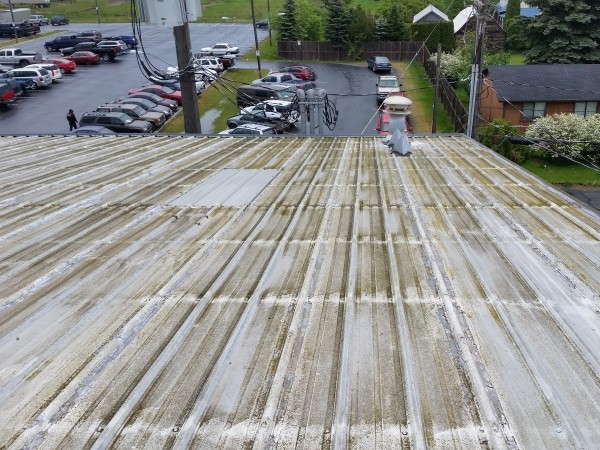
A maintenance plan is more useful when it begins with a documented understanding of the roof. The contractor should identify the roofing system, review visible seams and flashing, check penetrations and roof edges, look at drainage, note prior repairs, and pay attention to areas used by HVAC technicians or other trades.
That baseline gives future visits something to compare against. A seam that remains stable over several reviews is different from one that is opening progressively, and a drain area that repeatedly holds water after the outlet is clear deserves different follow-up from a one-time debris blockage.
How Often Should a Commercial Roof Be Checked?
There is no single inspection interval that fits every commercial roof. The schedule should reflect the roof system, age, current condition, repair history, rooftop traffic, surrounding debris, severe-weather exposure, and any written maintenance or warranty requirements that apply to the building.
Additional evaluation may be appropriate after a new leak, visible damage, significant rooftop work, drainage changes, or severe weather that gives the owner a specific reason to suspect the roof was affected. Seasonal planning can be useful for organizing maintenance, but twice-yearly visits should not be treated as a universal requirement for every Frankfort building.
A Condition-Based Maintenance Schedule
The table below shows how maintenance can be organized by trigger and purpose rather than by a fixed calendar alone.
| Maintenance Trigger | What to Review | Why It Matters |
|---|---|---|
| Planned condition review | Seams, flashing, penetrations, roof surface, edges, drainage, previous repairs, and traffic areas. | Creates a repeatable condition record and identifies changes before the next planned visit. |
| After a significant weather event when damage is suspected | Visible punctures, displaced material, debris, flashing changes, blocked drainage, and other storm-related conditions. | Helps determine whether weather created a new condition that needs repair or closer investigation. |
| After rooftop equipment or trade work | Service paths, curbs, penetrations, dropped-object damage, displaced protection, and newly altered roof details. | Separates ordinary roof aging from changes that may have followed work by another trade. |
| When a leak or drainage change appears | Reported leak areas, nearby seams and flashing, drains, scuppers, gutters, low areas, and relevant interior evidence. | Determines whether routine maintenance is enough or a separate repair or diagnostic scope is needed. |
What Each Maintenance Visit Should Review
The exact checklist should match the roof system, but common areas of attention include:
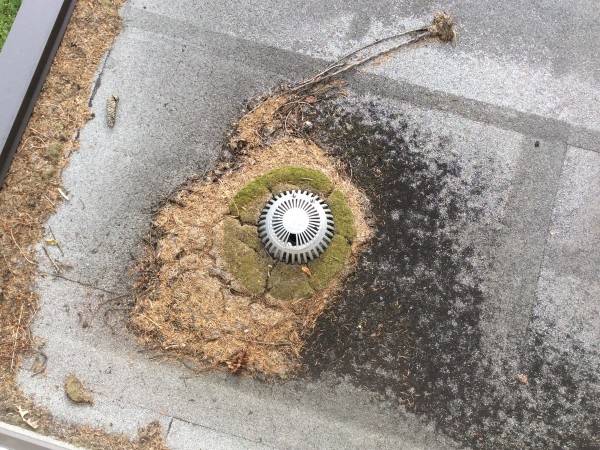
- Drains, scuppers, and gutters: look for debris, restricted outlets, recurring low areas, and other conditions that interfere with water movement.
- Seams and flashing: check for visible separation, movement, cracks, loose details, or deteriorated materials appropriate to the installed roof system.
- Penetrations: review pipes, vents, curbs, conduit, equipment supports, skylights, and other interruptions in the roof assembly.
- Roof surface: look for punctures, splits, worn areas, blisters, coating changes, or other visible deterioration that may need follow-up.
- Rooftop traffic areas: review regular service paths and equipment zones where foot traffic can increase the chance of surface damage.
- Previous repairs: compare repaired areas with surrounding materials to see whether the condition remains stable or is recurring.
Different roof systems also require different details. Commercial Roofing Pros’ membrane systems information provides related context for single-ply roof care and restoration decisions.
Moisture Findings Need Careful Interpretation
An interior stain, active drip, or visible surface defect can indicate water entry, but those observations do not prove how far moisture has moved within the roof assembly. Commercial Roofing Pros lists thermal scanning among the tools used during inspections, which can help identify patterns that may warrant closer investigation.
Thermal scanning should not be treated as proof of wet insulation by itself. Findings should be considered with roof construction, weather conditions, surface observations, repair history, and any additional investigation that may be appropriate before a larger scope is selected.
Routine Maintenance and Roof Repair Are Different Scopes
Maintenance can include cleaning, condition checks, and minor upkeep that is included in the agreed program. When an active defect requires corrective work, that condition should move into a defined repair scope rather than being described as ordinary maintenance.
For example, clearing a blocked drain may be routine maintenance. Rebuilding failed flashing, replacing damaged membrane, or removing wet materials is repair work. A clear maintenance agreement should explain which services are included and how larger repair needs are handled when they are discovered.
Drainage Deserves Its Own Follow-Up
Standing water should be documented, but it should not be reduced to one universal hour threshold. Recurring water accumulation can involve debris, blocked outlets, low areas, settlement, slope, drain configuration, or other building conditions.
If clearing an outlet does not resolve the condition, the contractor should determine whether the problem needs a separate drainage or repair scope. Routine maintenance can identify the pattern, but it does not automatically correct the cause.
Keep Records That Support Future Decisions
A useful maintenance record can note the date of service, areas reviewed, observations, work completed, unresolved conditions, and recommended follow-up. Photographs may be part of the agreed documentation, but owners should confirm what the maintenance program actually provides rather than assume every visit includes the same report package.
Records can help owners compare roof conditions over time, plan repairs, and document upkeep. If a warranty or insurance requirement applies, the building owner should review the actual written terms to determine what documentation or maintenance is required.
When Maintenance Findings Point to Restoration or Replacement
Repeated leaks in several areas, widespread seam or flashing problems, broad membrane deterioration, suspected moisture beyond one isolated defect, or substrate concerns may justify a larger assessment. These findings do not automatically mean the roof needs replacement, but they are reasons to compare broader repair, restoration, or replacement scopes instead of continuing routine maintenance alone.
For metal roofs, Commercial Roofing Pros’ metal roof restoration information describes one restoration path. Membrane and coating decisions should likewise be based on the actual condition of the roof rather than age alone.
Questions to Ask About a Maintenance Plan
Before approving a program, ask:
- How is the inspection or maintenance interval being set for this building?
- Which roof components and areas are included in each planned visit?
- Which cleaning or minor maintenance tasks are included and which are separate?
- What documentation will be provided after each visit?
- What conditions trigger a separate repair or diagnostic scope?
- How are rooftop access, tenant restrictions, and equipment areas handled?
- How will severe-weather concerns or work by other trades be evaluated?
Roof Maintenance in Frankfort, KY
Commercial Roofing Pros has more than 18 years of roofing experience and serves commercial buildings across Kentucky, including Frankfort. A useful maintenance plan should reflect the roof system, drainage, condition, repair history, rooftop activity, and written requirements that apply to the building.
Property owners can contact Commercial Roofing Pros at (857) 663-7767 to discuss a maintenance plan and the inspection or follow-up scope appropriate for the roof.
Frequently Asked Questions
How often should a commercial roof be maintained?
The interval should reflect the roof system, current condition, repair history, rooftop activity, weather exposure, debris, and any written maintenance requirements rather than one fixed schedule.
What does commercial roof maintenance usually include?
It may include planned condition checks, drainage cleaning, review of seams and flashing, attention to traffic areas, and documentation, depending on the agreed maintenance scope.
Is roof maintenance the same as roof repair?
No. Maintenance is ongoing care for a serviceable roof. When a defect requires corrective work, it should be handled under a defined repair scope.
Can maintenance fix a roof with widespread damage?
No. Maintenance can identify changing conditions, but widespread deterioration, moisture, substrate problems, or repeated failures may require a broader repair, restoration, or replacement assessment.