
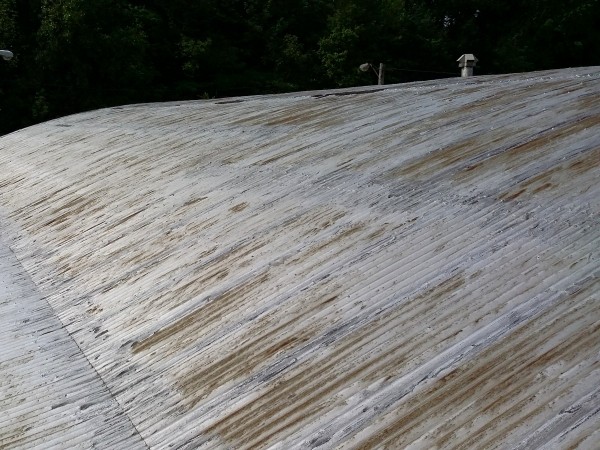
A commercial roof inspection in Owensboro, KY is a structured review of the roof surface, seams, flashing, drainage, penetrations, prior repairs, and other conditions relevant to the roof system, followed by a written record of what was observed. Commercial Roofing Pros provides commercial roof inspections for Kentucky building owners, and the purpose is to document current conditions before repair, maintenance, restoration, or replacement decisions are made.
This guide explains what an inspection actually covers, when to schedule one, how roof type changes the checklist, and what a useful inspection report should contain. If the building already has a leak, inspection can help trace the likely entry area and distinguish the visible symptom from surrounding conditions that may affect the repair scope.
What a Commercial Roof Inspection Covers
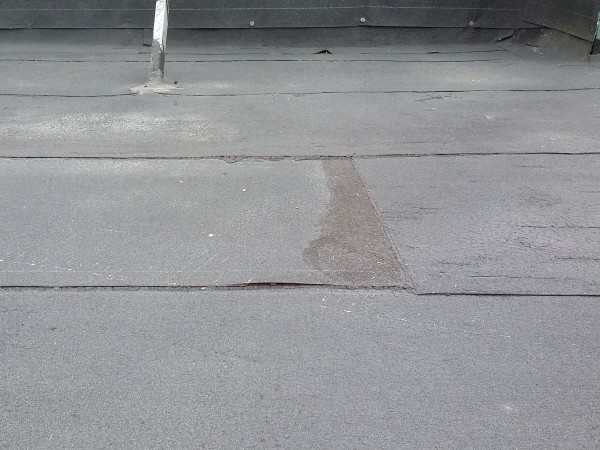
An inspection should follow the actual roof system and reported concerns. The review commonly includes the roof surface, seams, flashing, penetrations, drainage, prior repairs, edges, and areas affected by rooftop traffic or equipment work.
- Roof surface: punctures, tears, blisters, cracking, surface wear and areas where the membrane or panels have lifted or shifted.
- Seams: open or separating seams on membrane roofs, and loose or backed-out fasteners and sealant failure on metal roofs.
- Flashing and edges: the transitions at walls, curbs, parapets, and perimeter edges, where separation, failed sealant, movement, or damaged materials may create water-entry paths.
- Penetrations: vents, pipes, skylights, conduit, and rooftop equipment supports, with attention to the flashing and seals around each opening.
- Drainage: drains, scuppers, gutters, and downspouts, plus low areas or standing water that may indicate a drainage condition needing further review.
- Prior repairs: patches and sealant work from earlier visits, which can fail even when the surrounding roof is sound.
- Rooftop traffic damage: wear or damage around equipment access paths and service areas where repeated foot traffic or other work may affect the roof surface.
Commercial Roofing Pros lists thermal scans as one tool used to help assess roof condition during inspections. Thermal imaging can identify temperature patterns that may justify closer investigation, but it does not by itself confirm wet insulation or define the repair scope.
When to Schedule an Inspection in Owensboro
There is no single inspection schedule that fits every commercial roof in Owensboro. Frequency should reflect the roof system, current condition, repair history, drainage, rooftop traffic, equipment work, exposure, and any written manufacturer or warranty requirements that apply.
- Scheduled condition reviews: set the interval around the roof system, condition, maintenance history, and any written requirements that apply.
- After a significant weather event: consider an additional review when there is visible damage, a new leak, displaced material, or another reason to suspect the roof was affected.
- After other trades work on the roof: HVAC, equipment, antenna, or other rooftop work can disturb membrane, flashing, fasteners, or traffic areas and may justify a follow-up check.
- Before a purchase, lease, or capital plan: an inspection can document visible roof conditions and help identify items that need repair, maintenance, or further investigation.
- Before planning restoration or replacement: inspection findings help determine whether localized repair, restoration, replacement, or additional investigation should be compared. Our commercial roof restoration guide for Owensboro explains how that decision is made.
- After a leak or interior stain: the visible interior location does not always identify the exact roof entry point, so the surrounding roof assembly should be evaluated before setting the repair scope.
How the Checklist Changes by Roof Type
The overall inspection purpose is similar across commercial roof systems, but the details to review depend on the installed material, assembly, repair history, and rooftop conditions.
| Roof type | Common inspection focus | Typical findings |
|---|---|---|
| Single-ply membrane (TPO, PVC, EPDM) | Seams, flashing laps, penetration boots, membrane surface | Open or damaged seams, punctures, edge or flashing defects, and other membrane damage |
| Metal panels | Fasteners, panel laps, sealant, rust, panel movement | Fastener, seam, sealant, corrosion, panel, or penetration conditions requiring review |
| Coated or restored roofs | Coating condition, adhesion, thin or worn areas | Coating wear, adhesion concerns, damage around details, or conditions affected by drainage |
| Spray foam roofs | Protective topcoat, surface damage, penetrations | Topcoat wear, exposed or damaged foam, and defects around penetrations or transitions |
Our single-ply roofing systems page describes the membrane options, and the metal roof restoration page covers panel roofs. Knowing which system you have makes the inspection findings easier to read.
What Inspectors Often Find
Inspection findings can range from routine maintenance items to defects that need repair or further investigation. Drainage restrictions, standing water, flashing defects, damaged sealant, punctures, open seams, fastener issues, coating wear, and damage around rooftop equipment are examples of conditions that may appear, depending on the roof system.
An inspection does not automatically mean a large project is needed. A useful report should distinguish conditions that need prompt attention, items that can be monitored, and issues that require additional investigation before a scope is chosen.
What a Useful Inspection Report Includes
The inspection is only as valuable as the record it produces. A useful report generally contains photographs of the conditions found, a description of each issue and its location on the roof, recommended repairs or follow-up, and maintenance suggestions. Reports like this can also support budgeting and create a roof-condition history. Any insurance or warranty use depends on the applicable policy or written warranty terms. If you are unsure what your warranty requires, check the warranty document itself, because terms vary by manufacturer and installer.
A report should be specific enough that a second contractor could read it and understand the roof’s condition. Vague summaries such as “roof is fair” do not help an owner decide anything.
Inspections and Ongoing Maintenance
A single inspection is a snapshot. Ongoing maintenance can use inspection findings to prioritize drainage cleaning, flashing or sealant work, localized repairs, and other documented needs according to the roof system and actual condition. The Commercial Roofing Pros maintenance program is built around routine inspections and seasonal preparation for Kentucky businesses, with documentation of the services performed.
For Owensboro property managers with several buildings, consistent inspection records can make it easier to compare roof conditions, identify recurring issues, and prioritize repair or maintenance needs across a portfolio.
Commercial Roof Inspections in Owensboro, KY
Commercial Roofing Pros serves commercial property owners across Kentucky, including Owensboro, and works with commercial roofing systems that include single-ply, metal, coated, and spray foam roofs. The Owensboro location page provides additional local service context. When requesting an inspection, provide the building information, roof type if known, and any leak or condition history available.
Frequently Asked Questions
How often should a commercial roof be inspected in Owensboro?
There is no single interval for every roof. Frequency should reflect the roof system, condition, repair history, rooftop traffic, exposure, and any written maintenance or warranty requirements that apply.
Does an inspection mean I need a new roof?
No. The report should document the actual roof condition and separate maintenance items, localized repairs, broader deterioration, and issues that need more investigation before repair, restoration, or replacement is compared.
Will an inspection disrupt my business?
Many inspections can be completed primarily from the roof and accessible building areas, but disruption depends on access, safety requirements, diagnostic methods, and the need to inspect interior leak locations or equipment areas.
What should I have ready before the inspection?
Share the roof type and age if known, warranty or installation records, prior repair and maintenance documents, and the locations of known leaks or interior stains. That history gives the inspector useful context for the review.