
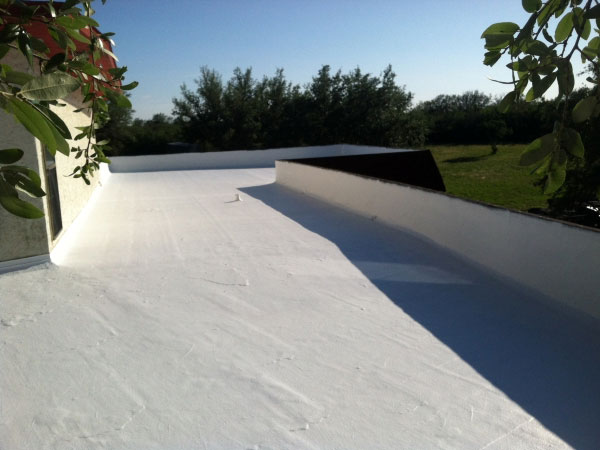
A commercial roof coating can add a protective layer over an existing roof, but waterproofing performance is not automatic. For a Lebanon, KY commercial property, the result depends on the condition of the existing roof, compatibility with the coating, preparation, application requirements, drainage, and the details around seams, penetrations, and transitions.
Commercial Roofing Pros confirms Acrylic Roof Coatings within its commercial roofing scope. Building owners can call (857) 663-7767 to discuss whether a coating evaluation fits the roof’s current condition.
The Existing Roof Has to Be a Suitable Candidate
A coating is installed over an existing roof, so the condition underneath matters. Loose materials, wet insulation, deteriorated membrane, failed flashing, damaged decking, or other significant defects can change whether restoration is appropriate. A coating should not be treated as a way to hide unresolved problems.
An inspection of the commercial roof can help document visible conditions and identify areas that need more investigation. The exact evaluation may vary by roof. Moisture testing, core sampling, adhesion testing, or other methods should be used when the contractor or project requirements call for them rather than assumed on every coating job.
Compatibility Matters Before a Product Is Selected
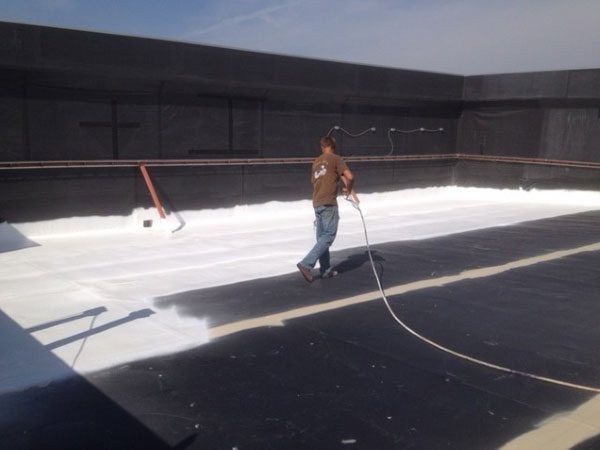
Not every coating bonds equally well to every existing roof surface. The roof material, previous coatings, surface contaminants, weathering, and manufacturer requirements can all affect compatibility. Preparation may include cleaning, localized repairs, treatment of seams or penetrations, and a primer when required for the selected system.
Commercial Roofing Pros lists Acrylic Roof Coatings as an approved service, but that does not mean acrylic is automatically suitable for every roof. The existing assembly should be identified first, and the proposed coating should be matched to that surface and the building’s conditions.
Application Requirements Affect Waterproofing Performance
Coatings need to be installed according to the selected system’s requirements. Coverage rate, final dry film thickness, cure conditions, number of coats, reinforcement details, and weather during application can all affect the finished membrane. Those requirements differ by product and project.
Instead of relying only on how many gallons will be used, ask how the contractor will verify that the installed coating meets the specified coverage and thickness. Also ask how seams, penetrations, curbs, drains, edges, and other details will be prepared because those locations often need more than broad field application.
Drainage Problems Need Their Own Evaluation
A roof coating does not create slope or redesign drainage. If water regularly remains on the roof after rain, the cause may involve clogged drains, inadequate outlets, settlement, roof geometry, or other conditions. Those issues should be evaluated separately before assuming coating alone will correct the problem.
The acceptable exposure to standing water depends on the selected coating system and its requirements. Property owners should avoid relying on a universal number of hours for every product. The proposal should state how existing drainage conditions affect coating suitability and whether corrective work is needed first.
Repairs and Preparation Should Be Defined Before Coating
A coating project may require localized roof repairs before application. Open seams, punctures, damaged flashing, loose materials, deteriorated details, or other defects can require separate corrective work. The proposal should identify which repairs are included and what conditions could change the scope after closer investigation.
Commercial Roofing Pros’ commercial roofing services include inspections, repairs, coatings, and other roof work. That broader context matters because the best next step may be repair, restoration, or another roofing approach depending on what the evaluation finds.
Maintenance Continues After the Coating Is Installed
A coated roof still needs maintenance. Drains and gutters should remain clear, rooftop traffic and service work should be monitored for damage, and repairs should be addressed when problems appear. The appropriate inspection and maintenance schedule depends on the coating system, building use, exposure, roof traffic, and any warranty or manufacturer requirements that apply.
Commercial Roofing Pros’ commercial roof maintenance guidance provides useful context for ongoing roof care. Recoating should also follow the actual condition of the installed system and the applicable product requirements rather than a generic fixed interval.
Roof Coating Waterproofing in Lebanon, KY
For a Lebanon commercial roof, coating performance depends on the roof being a suitable candidate and on the selected system being prepared and installed correctly. Substrate condition, compatibility, repairs, application requirements, drainage, and maintenance all contribute to the result.
Call Commercial Roofing Pros at (857) 663-7767 to discuss the existing roof and whether an acrylic coating evaluation is appropriate for the building.
Frequently Asked Questions
Can a roof coating be applied over any commercial roof?
No. Suitability depends on the existing roof material, condition, moisture, previous coatings, repairs, and the requirements of the proposed coating system.
How thick does a roof coating need to be?
There is no universal thickness for every system. The installed coating should meet the coverage and dry film requirements specified for the selected product and project.
Will a coating fix ponding water?
A coating does not create slope or redesign drainage. Persistent standing water should be evaluated to determine whether drainage or other corrective work is needed.
How often does a coated roof need to be recoated?
It depends on the coating system, exposure, condition, maintenance history, and applicable manufacturer or warranty requirements. Recoating should be based on those factors rather than a universal interval.