
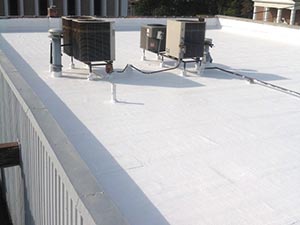
Commercial buildings throughout Elizabethtown, KY commonly rely on low slope roofing systems designed specifically for large roof areas. Understanding how these systems work and the different materials available can help property owners make better decisions about installation, maintenance, repairs, and eventual replacement.
Commercial Roofing Pros specializes in low slope roofing in Elizabethtown, KY. Call (857) 663-7767 to discuss your building and determine the right roofing solution for your property.
Choosing the right low slope roofing system can provide dependable weather protection, support easier maintenance, and deliver lasting performance for a commercial building.
Low Slope Roofing Explained
Roof pitch is expressed as a ratio of vertical rise to horizontal run. A roof that rises two inches for every twelve inches of horizontal distance has a 2:12 pitch. Roofs with relatively shallow pitches are generally considered low slope, although specific requirements vary by roofing system.
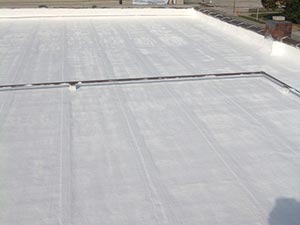
The terms flat and low slope are often used interchangeably, but truly flat commercial roofs are rare. Most have a slight designed slope, commonly around a quarter inch per foot, to direct water toward drains and other drainage points.
The distinction matters because slope influences which roofing systems are appropriate. Steeper roofs can use water-shedding materials such as shingles, while low-slope roofs generally rely on continuous membranes or other waterproof systems designed to handle slower drainage. Understanding why commercial buildings are commonly designed this way helps explain the roofing systems used to protect them.
Commercial Buildings Have Specific Designs
The first reason is size. Putting a steep pitch on a building that covers several acres would create an enormous volume of unusable space and a structure tall enough to raise its own cost and code questions.
The second is what goes on top. Commercial buildings carry rooftop mechanical units, exhaust fans, condensers, and sometimes solar. All of that equipment needs a walkable, level platform with room for service access.
The third is cost per square foot. A low slope assembly uses less material and less framing to cover the same footprint, and the interior space below is fully usable right up to the ceiling. Covering that footprint takes a membrane, and there are several to choose from.
Membrane Systems Used on Low Slope Roofing
TPO and PVC are single-ply plastic membranes installed in wide sheets and heat welded at the seams. Both are commonly light in color, which reflects solar heat.
EPDM is a synthetic rubber membrane, usually dark, known for flexibility and long field performance. Seams are joined with tape or adhesive rather than heat.
Spray polyurethane foam is applied as a liquid that expands into a seamless insulating layer, then gets a protective coating on top. Modified bitumen is an asphalt-based material installed in layers, a modern descendant of the built-up roofs common on older buildings. Fluid-applied coatings can also be used to renew several of these systems rather than replace them. Whichever system is up there, keeping it working takes a different routine than a pitched roof does.
Maintenance Looks Different on a Low Slope Roof
A residential roof mostly takes care of itself between inspections. Water leaves quickly and there is nothing on the surface to interfere.
A low slope roof needs drains and scuppers kept clear, because a blocked drain turns a designed quarter-inch pitch into a pond. Standing water adds weight, degrades the membrane, and finds any weakness in a seam.
Seams and penetrations need periodic attention as well, since they move with temperature and settle over time. Debris around rooftop units, and damage from service technicians walking the same path repeatedly, are ongoing items no pitched roof has to think about.
Low Slope Roofing Experts
Understanding your commercial roof makes it easier to make informed decisions about its care. Knowing the roof’s pitch, drainage design, and membrane type can help property owners ask better questions, compare repair options, and understand why certain roofing solutions may be recommended over others.
Commercial Roofing Pros specializes in low slope roofing in Elizabethtown, KY. Call (857) 663-7767 today to discuss your roofing system with an experienced commercial roofing team.
A better understanding of your roof can simplify maintenance planning, make future repair decisions clearer, and help you protect the roofing system over the long term.
FAQ
How long does a low slope commercial roof last?
Service life varies widely by system and upkeep, though most well-maintained membranes serve two decades or more before replacement is needed.
Can you walk on a low slope commercial roof?
Yes, but repeated foot traffic wears the membrane. Walkway pads are usually installed along routes to rooftop equipment.
Does a low slope roof need gutters?
Many drain internally through roof drains and interior piping instead. Others use scuppers at the edge that discharge into external downspouts.