
Commercial roof repairs in Campbellsville, KY should begin with diagnosis, not a generic patch. A planned repair should identify the actual defect, document what was found, use materials compatible with the existing roof system, and define how the completed work will be verified. Commercial Roofing Pros serves Campbellsville and can be reached at 857-663-7767.
What Should Happen Before a Commercial Roof Repair?
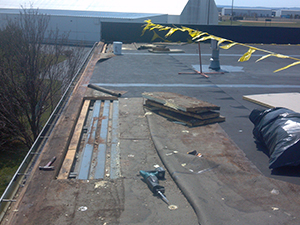
A visible leak does not always identify the exact roof entry point. Water can travel through insulation, along the deck, or around penetrations before it appears inside. The contractor should inspect the affected area and surrounding roof conditions, then distinguish confirmed findings from suspected concealed conditions.
Useful documentation can include the location of the defect, photos, notes about seams, flashing, penetrations, drainage, prior repairs, and any sign that moisture may extend beyond the visible problem. If wet insulation, substrate damage, or another concealed condition is suspected, the scope should explain what further investigation is needed before the repair is expanded.
Repair Materials Have to Match the Existing Roof
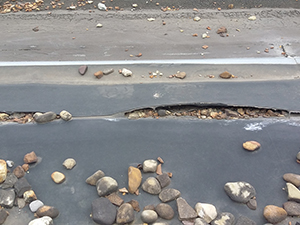
Commercial Roofing Pros’ current commercial scope includes TPO, PVC, and EPDM single-ply systems, coatings, spray foam, and general commercial roofing. Repair materials and methods should be selected for the actual system on the building rather than treated as interchangeable.
TPO and PVC are thermoplastic membranes, but repair materials still need to be compatible with the specific membrane and assembly. EPDM uses different compatible primers, tapes, adhesives, patches, and flashing materials. Metal roofs and coated surfaces also require repair methods suited to their existing materials and details.
A written repair scope should identify the affected area, preparation, proposed materials or methods, exclusions, and conditions that could change the work. If concealed damage is discovered after the repair begins, the contractor should document it and explain how additional work will be approved.
Warranty Obligations Depend on the Written Terms
A delayed repair does not automatically void every roofing warranty. Actual obligations depend on the written warranty for the installed system. Some warranties may require documented maintenance, compatible repair materials, approved contractors, notice procedures, or other specific steps.
Before authorizing work, review the applicable warranty and ask how the proposed repair will be documented. The repair record should support the building’s maintenance history without promising that a repair will preserve coverage regardless of the written terms.
How Should a Completed Repair Be Verified?
A repair should not be accepted only because the patched area looks finished. Closeout should show that the agreed scope was completed and should identify anything that remains outside the repair.
Useful acceptance evidence may include photos of the completed area, the repair location, materials or methods used, approved changes, and a written summary of the work. If a project-specific inspection or water check is performed afterward, the documentation should describe what was checked and what the result means rather than turn one check into a guarantee that the roof will never leak again.
Will a Roof Repair Improve Energy Performance?
Repairing a leak and replacing wet or damaged insulation can restore lost thermal performance in the affected area, but a commercial roof repair should not be sold as a guaranteed way to lower utility bills. The effect depends on how much insulation was affected, the condition of the rest of the roof, HVAC operation, building use, and the overall roof assembly.
When Is a Planned Repair Appropriate?
Localized punctures, seam defects, flashing problems, or other limited damage may support a focused repair when the surrounding roof remains serviceable. Repeated leaks, widespread moisture, deteriorated substrate, drainage problems, or multiple failed repairs may justify a broader evaluation.
Those conditions do not automatically mean full replacement is required. The contractor should explain what is confirmed, what remains uncertain, and why the proposed repair, restoration, or replacement scope fits the evidence. This planned-repair page does not cover emergency response or temporary storm protection, which should be handled as a separate need.
Choosing a Commercial Roof Repair Contractor
For planned repair work, ask for system-specific experience, a documented diagnosis, a written scope, compatible materials, clear change procedures, and closeout records. Licensing, insurance, and any warranty-specific contractor requirements should be verified for the project rather than assumed from general marketing language.
For broader maintenance planning, see the maintenance program. To discuss a planned commercial roof repair in Campbellsville, call Commercial Roofing Pros at 857-663-7767.
Frequently Asked Questions
What should be documented before a commercial roof repair?
The contractor should document the defect location, visible conditions, relevant photos, suspected concealed issues, and the proposed repair scope before work begins.
How often should a commercial roof be inspected?
There is no universal interval for every roof. The schedule should follow roof condition, written warranty or maintenance requirements, repair history, rooftop activity, and significant weather events.
Can a repair affect my roof warranty?
Yes, depending on the written terms. Review requirements for compatible materials, approved contractors, maintenance records, notice, and repair documentation before work proceeds.
When might a repair need to become a broader project?
Widespread moisture, deteriorated substrate, drainage problems, repeated failures, or damage extending beyond the visible defect can justify further evaluation before the final scope is approved.